
Blepharitis
Manage Symptoms With Blepharitis Eyelid Cleaning Treatment
If you’re dealing with itchy, red, and swollen eyelids, you might be experiencing a common blepharitis eye condition. While it’s generally not contagious and doesn’t cause permanent vision damage, blepharitis can be uncomfortable and persistent. Let’s explore what blepharitis is, its causes and symptoms, and which treatment options are available.
What Is Blepharitis?
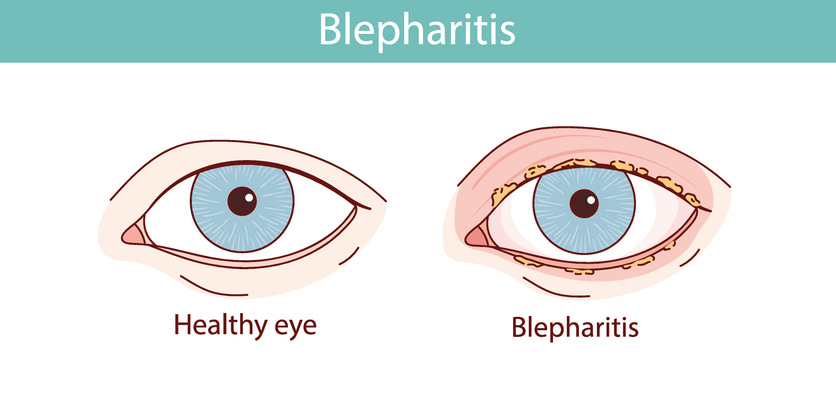
Blepharitis is an inflammation of the eyelids. It typically affects the part of the eyelid where the eyelashes grow and can impact both eyes simultaneously. The condition occurs when the tiny oil glands located near the base of the eyelashes become clogged or infected. This blockage can lead to irritated, red, and itchy eyelids. There are two primary types of blepharitis:
- Anterior Blepharitis – This type affects the outside front of your eyelid, where your eyelashes are attached. It's often caused by bacteria or dandruff of the scalp and eyebrows.
- Posterior Blepharitis – This type affects the inner edge of the eyelid that touches the eyeball. It occurs when the oil glands in the eyelids get clogged. This can be caused by skin conditions like rosacea or scalp dandruff.
What Are the Signs and Symptoms of Blepharitis?
The signs of blepharitis are often most noticeable when waking up. If you experience any of these symptoms, it’s a good idea to seek a professional blepharitis diagnosis to rule out other potential eye conditions and get started on the right treatment plan. While they vary from person to person, common symptoms include:
- Watery eyes
- Red eyes
- Eyelids that appear greasy
- Itchy eyelids
- Red, swollen eyelids
- Flaking of the skin around the eyes
- Crusted eyelashes upon waking
- Eyelid sticking
- More frequent blinking
- Sensitivity to light
- Blurred vision that usually improves with blinking
What Causes Blepharitis?
The exact cause of blepharitis isn’t always clear, but several factors can increase your risk of developing this uncomfortable eye condition. Main contributors include:
- Bacterial Infection – An overgrowth of the bacteria usually found on your skin can lead to clogged oil glands and inflammation.
- Clogged Meibomian Glands – The tiny oil glands in your eyelids can become blocked, preventing the oil layer of your tears from functioning properly.
- Skin Conditions – Seborrheic dermatitis (dandruff of the scalp and eyebrows) and rosacea can lead to inflammation and redness of the eyelids.
- Allergies – Allergic reactions to eye makeup or allergy medications can trigger blepharitis.
- Eyelash Mites – Tiny mites called Demodex can live in eyelash follicles and contribute to inflammation.
How Is Blepharitis Diagnosed?
If you suspect you have blepharitis, scheduling an eye exam is the first step toward relief. A proper diagnosis is essential for effective treatment. During the exam, your eye doctor will discuss your symptoms, including your medical history and specific issues you’re experiencing. They’ll also carefully inspect your eyelids, eyelashes, and oil glands using a special magnifying instrument to identify signs of inflammation, crusting, or blockages.
Additionally, your doctor might assess your tear production to determine if dry eye is a contributing factor. In some cases, they may use a swab to collect a sample of the oil from your eyelid to test for bacteria, fungi, or allergies. This thorough evaluation helps confirm the diagnosis, uncover the root cause, and guide the most effective treatment plan.
Blepharitis Treatment
Treating blepharitis often starts with good eyelid hygiene. For many, a consistent routine of at-home care can significantly reduce symptoms. First, apply a warm compress by soaking a clean washcloth in warm water, wringing it out, and placing it over your closed eyelids for several minutes. This helps loosen crusty deposits and unclog oil glands. After the compress, gently scrub the base of your eyelashes using a clean cloth, cotton swab, or a commercial lid-cleaning pad. This helps remove debris and bacteria.
If home care isn’t enough to control your symptoms, your doctor may recommend blepharitis medications, such as antibiotics, to fight bacterial infections. These can include ointments, creams, eye drops, or oral antibiotics. Steroid eye drops or ointments may be used to control inflammation, often in combination with antibiotics. Addressing underlying conditions such as seborrheic dermatitis or rosacea is also a key part of managing blepharitis. For more stubborn cases, in-office procedures may be recommended, such as clearing clogged meibomian glands with thermal pulsation treatments or intense pulsed light (IPL) therapy, which uses heat and light to melt blockages.