
Eye Exams
Protect Your Vision with Routine Eye Exams in Southern NH
Your vision is one of your most precious senses, yet it’s easy to take for granted. At Spindel Eye Associates, we offer routine eye exams in Derry, NH and surrounding areas. This vital eye health check can detect severe conditions before they cause permanent damage. Below, we’ll explain everything you need to know about getting an eye exam, including what an exam involves, the different types of tests, and what you can expect during your visit, helping you feel confident and prepared for your next appointment.
What Is an Eye Exam?
An eye exam is a series of tests performed by an optometrist or ophthalmologist to evaluate your vision and check for eye diseases. These exams are crucial for two main reasons. First, they help correct refractive errors, such as nearsightedness, farsightedness, and astigmatism, by providing an accurate prescription for glasses or contact lenses. Second, they allow your eye doctor to check for common eye diseases. Conditions such as glaucoma, cataracts, and diabetic retinopathy often have no obvious symptoms in their early stages, making a regular eye health check your best defense against them.
What Are the Different Types of Eye Exams?
Not all eye exams are the same. Depending on your age, health, and needs, your doctor might recommend different types of examinations, such as:
- A Routine Eye Exam – A routine eye exam is what most people think of when they schedule a checkup. This includes tests for visual acuity, a refraction test to determine your prescription, and a general eye health check.
- Eye Exam for Contact Lenses – For those with contact lenses, you’ll need a specialized exam. This includes all the components of a routine exam, plus additional measurements of your cornea’s curvature and a fitting to ensure the contacts sit properly on your eyes.
- Comprehensive Vision Examination – For those with specific health conditions or those at higher risk for eye disease, a comprehensive vision examination may be necessary. This could involve more in-depth testing for conditions such as macular degeneration or diabetic eye disease.
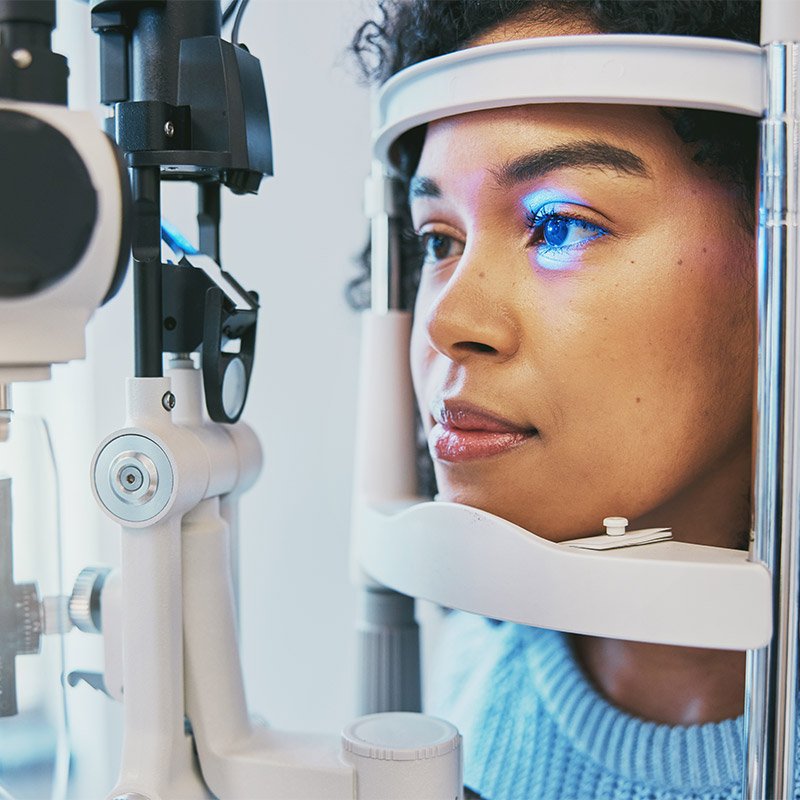
What Are the Different Parts of an Eye Exam?
A comprehensive eye exam consists of several tests, each designed to evaluate a different aspect of your vision and eye health. While the exact sequence may vary, here are the common components you can expect:
- Visual Acuity Test – This is the classic eye chart test (known as a Snellen chart) where you read letters from a distance. Each eye is tested individually to determine the sharpness of your vision. The results are written as a fraction, such as 20/20.
- Refraction Test – If the visual acuity test shows that you have a refractive error, your doctor will perform a test to determine the precise prescription for your glasses or contacts. You'll look through a large instrument called a phoropter, which contains many different lenses. Your doctor will flip through various lens combinations and ask you which options provide a clearer view, honing in on the exact power needed to correct your vision.
- Eye Muscle Test – Your doctor will check the alignment and movement of your eyes. You'll be asked to follow a light or object with your eyes as your doctor observes how your eye muscles work together. This test helps detect issues like strabismus (crossed eyes) or other problems with eye coordination.
- Retinal Exam – To get a clear view of the back of your eye, including the retina, optic nerve, and blood vessels, your doctor will perform a retinal exam. Often, this involves dilating your pupils with special eye drops. This test is crucial for detecting serious conditions like diabetic retinopathy, glaucoma, and macular degeneration.
What Should I Expect During an Eye Exam?
To start, a technician or the doctor will review your patient history and may perform some preliminary tests. Then, you’ll move on to the core parts of the exam, such as the visual acuity and refraction tests. Your doctor will explain each step as you go, so you’ll always know what’s happening. If your pupils are dilated, be prepared for temporary light sensitivity and blurry vision. It’s a good idea to arrange for someone to drive you home, as driving may be difficult.
What Are the Possible Risks or Side Effects of an Eye Exam?
For the most part, a routine eye exam is safe with no significant risks. Tests are non-invasive and designed to be as comfortable as possible. The most common side effect is caused by the dilating eye drops used during the retinal exam. These drops can cause temporary:
- Blurry vision, especially for reading
- Increased sensitivity to light
- Minor stinging when the drops are first applied.
Frequently Asked Questions
Schedule Your Eye Exam Today
A routine eye exam is a crucial component of your overall healthcare. It not only ensures your vision is as clear as possible but also serves as a crucial screening for serious eye diseases that could threaten your sight. If you’re in Derry or one of the surrounding communities and are due for an eye exam, don’t wait. The experienced team at Spindel Eye Associates has been serving Southern New Hampshire for more than 40 years, and we’re ready to provide you with the comprehensive care you deserve. Schedule your appointment today and take a clear step toward better eye health.
We serve Derry, Londonderry, Windham, Raymond, and Bedford