
Eyelid Spasms
Unlock the Secret to a Lasting Eyelid Spasm Cure
What Is an Eyelid Spasm?
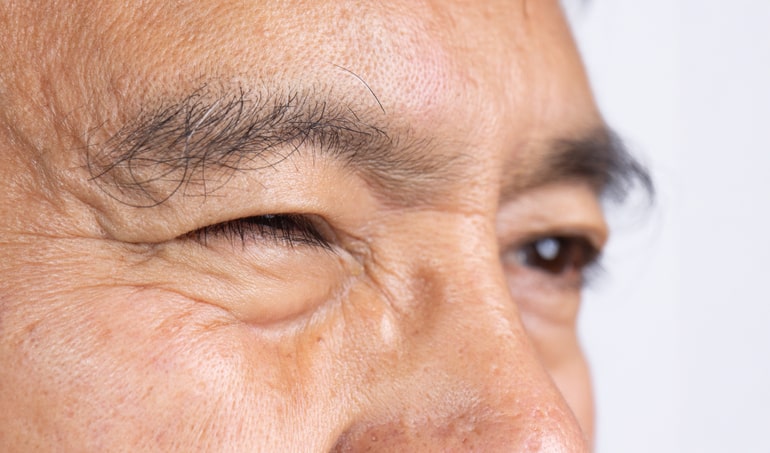
An eyelid spasm, or myokymia, is an involuntary, repetitive twitching of the eyelid muscles. Most people experience this in their lower eyelids, but an upper eyelid spasm is also common. These spasms are caused by the misfiring of neurons that control the muscles around your eye, specifically the orbicularis oculi muscle.
Twitches are typically painless and harmless. They often come and go without any clear reason and usually resolve on their own within a few days or weeks. However, when an eyelid spasm becomes persistent or is accompanied by other symptoms, it can interfere with your daily life and may warrant a closer look.
What Causes Eyelid Spasms?
- Stress and Fatigue – High levels of stress and lack of sleep are two of the most frequent culprits. When your body is tired or under pressure, your nervous system can become overactive, leading to involuntary muscle spasms.
- Caffeine and Alcohol – Excessive intake of stimulants such as caffeine or depressants like alcohol can affect your nervous system and trigger twitching in your eyelids.
- Eye Strain – Spending long hours in front of a computer screen, reading in poor light, or needing a new glasses prescription can strain your eye muscles. This digital eye strain can lead to fatigue and spasms.
- Dry Eyes – Dryness on the surface of the eye, common in older adults or those who use computers extensively, can irritate the eye and cause a muscle spasm in the eyelid.
- Nutritional Deficiencies – A lack of certain nutrients, particularly magnesium, can contribute to muscle spasms throughout the body, including the eyelids.
What Are the Symptoms of Eyelid Spasms?
The primary symptom of an eyelid spasm when blinking is a gentle, fluttering, or pulling sensation in the eyelid. For most people, this is a minor annoyance that doesn’t affect their vision. You might notice the lower eyelid spasm or twitch more when you’re tired or stressed. In cases of benign essential blepharospasm, the spasms are more forceful, causing the eyelids to involuntarily clamp shut. This can progress to affect both eyes and may be triggered by bright lights, stress, or fatigue, sometimes interfering with vision. Other symptoms include:
- A slight, involuntary twitch in the upper or lower eyelid.
- Twitching may occur intermittently for several days.
- The spasm is usually unilateral, meaning it only affects one eye at a time.
How Are Eyelid Spasms Treated?
Finding an effective eyelid spasm cure often starts with identifying and addressing the triggers. For most people, simple lifestyle changes are enough to make the twitching disappear. Here are some at-home remedies and lifestyle adjustments you can make:
- Get More Rest – Aim for seven to nine hours of quality sleep per night to reduce fatigue.
- Manage Stress – Incorporate relaxation techniques like meditation, yoga, or deep breathing exercises into your routine.
- Reduce Caffeine and Alcohol – Cutting back on coffee, tea, and alcoholic beverages can often resolve the issue.
- Lubricate Your Eyes – Use over-the-counter artificial tears to keep your eyes moist, especially if you spend a lot of time on digital devices.
- Follow the 20-20-20 Rule – To reduce digital eye strain, look at something 20 feet away for 20 seconds every 20 minutes.
- Apply a Warm Compress – Placing a warm, damp cloth over your closed eyes for a few minutes can help relax the eye muscles.
When to See a Doctor
- The twitching persists for more than a few weeks.
- Your eyelid closes completely with each spasm.
- Spasms spread to other parts of your face.
- Your eye becomes red, swollen, or has a discharge.
- Your vision is affected.
- You notice drooping in your upper eyelid.